
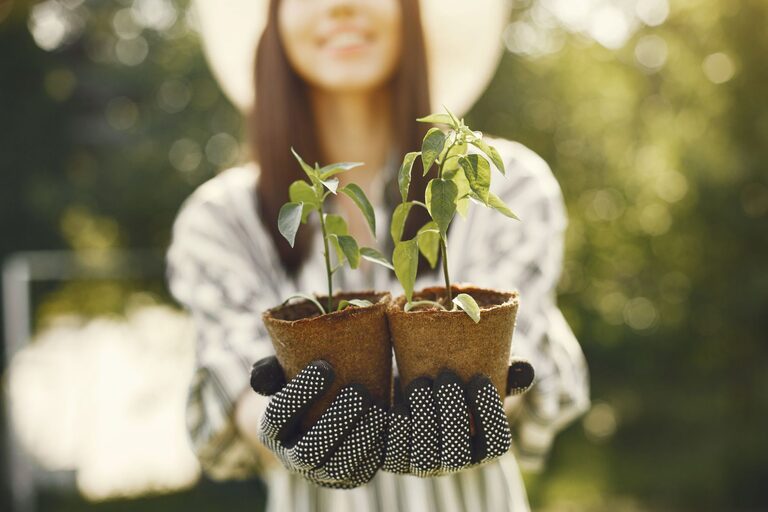
Creating a sustainable home garden is a rewarding way to connect with nature, grow your own food, and reduce your environmental footprint. The good news is that building a green garden doesn’t have to be expensive. With smart planning and a few creative ideas, you can enjoy the benefits of a thriving garden while sticking to a budget.
In this post, we’ll explore practical tips to help you create a sustainable garden at home without spending a fortune.
Why Choose a Sustainable Garden?
Sustainable gardens focus on eco-friendly practices like conserving water, enriching the soil naturally, and planting native species. This approach supports local wildlife, reduces waste, and often requires less maintenance over time — saving money and effort.
Planning Your Garden on a Budget
Start Small and Scale Gradually
If you’re new to gardening or working with limited space and resources, start with a small garden area. It’s easier to manage, requires fewer materials, and gives you a chance to learn and adjust your methods without investing heavily upfront.
Choose the Right Location
Pick a spot with ample sunlight suited to the plants you want to grow. Good soil and proper drainage reduce the need for extra amendments and watering. Observing your garden’s natural conditions first can help you avoid costly fixes later.
Sketch a Simple Garden Layout
Draw your garden plan to organize your space efficiently. Group plants with similar water and sunlight needs to conserve resources and make maintenance easier.
Sustainable Gardening Tips That Save Money
Use Seeds Instead of Seedlings
Seeds are much more affordable than buying young plants. Many seed companies offer low-cost or even free seed packets, especially if you’re willing to try heirloom or native varieties. Starting plants from seed takes a bit more time but pays off in savings.
Compost Your Kitchen and Garden Waste
Composting organic waste like vegetable scraps, leaves, and grass clippings creates nutrient-rich soil naturally and cuts down on the need to buy fertilizer. A simple compost bin or pile in your yard is easy to set up and maintain.
Collect Rainwater for Irrigation
Installing a rain barrel can reduce your water bill and provide plants with natural, chemical-free water. Even a basic container placed under a downspout helps gather rainwater without extra cost.
Practice Mulching
Covering soil with mulch (like shredded leaves, grass clippings, or bark chips) helps retain moisture, suppress weeds, and improve soil health. You can often find free mulch materials in your neighborhood or collect fallen leaves from nearby areas.
Repurpose and Upcycle Garden Materials
Look around your home for materials that can be reused in the garden. Old containers, wooden pallets, or broken pots can become plant holders or compost bins, reducing the need to buy new products.
Grow Native and Drought-Tolerant Plants
Native plants are adapted to your local climate and soil, so they require less water and care. Drought-tolerant plants save water, helping you conserve resources and lower watering costs.
Create DIY Fertilizers and Pest Controls
Instead of commercial fertilizers and pesticides, try natural alternatives like homemade compost tea or neem oil sprays. Not only are these safer for the environment, but they’re also budget-friendly.
Designing a Garden That Grows With You
Choose Perennials Over Annuals
Perennial plants return year after year, reducing the need to replant each season. While some perennials may cost more at first, they often save money in the long run.
Plant Edibles Alongside Ornamentals
Mixing vegetables and herbs with flowers makes efficient use of space and adds beauty while providing fresh food. Growing your own herbs or salad greens can also save money on grocery bills.
Use Container Gardening for Flexibility
Containers allow you to garden on patios, balconies, or small yards without the need for extensive soil preparation. Start with inexpensive or repurposed containers and gradually add more as your garden grows.
Maintenance Tips for a Sustainable Garden
Water Early or Late in the Day
Watering in the early morning or late evening reduces evaporation, so plants use water more efficiently.
Monitor Soil Health Regularly
Healthy soil supports healthier plants. You can keep soil balanced by adding compost or organic matter and avoiding harsh chemicals.
Rotate Crops and Practice Companion Planting
Changing where you grow plants each season and placing complementary plants near each other helps control pests and diseases naturally.
Final Thoughts
Building a sustainable home garden on a budget is entirely possible with thoughtful planning and a willingness to use resources wisely. Whether you’re growing flowers, herbs, veggies, or all three, these tips can help you create an eco-friendly, enjoyable garden space that fits your lifestyle and wallet.
Remember, gardening is a journey — enjoy watching your plants grow, knowing you’re making choices that benefit both your home and the environment. Happy gardening!