
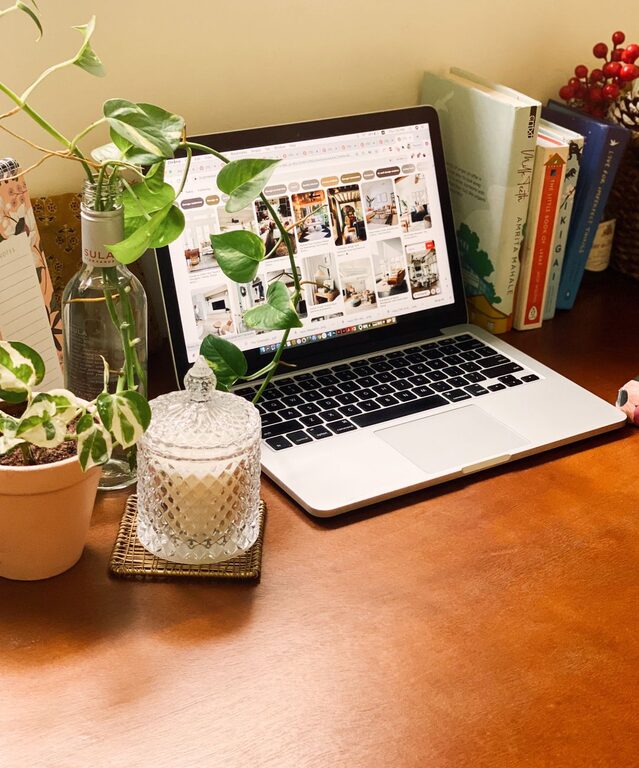
Creating a cozy and inviting home workspace can make a big difference in your daily productivity and overall well-being. Whether you’re working remotely full-time or occasionally need a spot for focused tasks, having a space that feels comfortable and inspiring helps you stay motivated and reduces stress. Here are some practical tips to help you design a home workspace that you’ll look forward to using every day.
Choose the Right Location
Your workspace location can impact your comfort and focus. Ideally, pick a spot that is:
– Quiet and free from distractions: Choose a room or corner away from high-traffic areas.
– Well-lit: Natural light boosts mood and energy, so set up near a window if possible.
– Comfortably sized: Ensure there’s enough room for your desk, chair, and any storage you need without feeling cramped.
If a dedicated room isn’t available, find a cozy nook or make use of room dividers to create a defined zone.
Invest in an Ergonomic Chair
Comfort matters most when you spend hours working. An ergonomic chair supports good posture, reducing the chance of back or neck pain. Look for chairs that offer:
– Adjustable height and backrest
– Lumbar support
– Comfortable cushioning
– Breathable material
Taking care of your body with ergonomic furniture is an investment that pays off in increased comfort and productivity.
Optimize Your Desk Setup
Your desk is your main workspace, so make it both functional and inviting:
– Choose a desk size that fits your tasks, such as writing, using a computer, or doing crafts.
– Keep your workspace tidy by minimizing clutter and only keeping essentials on the desk surface.
– Use desk organizers or trays to store stationery, documents, and gadgets neatly.
– Consider a standing desk or a convertible option to alternate between sitting and standing during the day.
Adding a personal touch like a favorite photo or small plant can also make your desk feel more welcoming.
Enhance Lighting
Proper lighting reduces eye strain and creates a warm atmosphere:
– Use a mix of natural light and artificial light sources to brighten your workspace.
– A desk lamp with adjustable brightness and direction helps illuminate tasks without causing glare.
– Choose warm white bulbs for a soft, cozy feel rather than harsh, cool lighting.
If privacy or glare is a concern, try sheer curtains or adjustable blinds on windows.
Add Comfort with Textiles
Soft textures make any space more inviting and comfortable. Consider incorporating:
– A cushy rug under your desk area to add warmth and reduce noise.
– Throw pillows or a cozy blanket on your chair for extra comfort during breaks.
– Curtains or drapes that complement your décor and soften the room’s acoustics.
These simple elements can turn a plain workspace into a refuge where you want to spend time.
Bring in Greenery
Plants not only brighten up your workspace but also improve air quality and reduce stress. Some easy-care options for indoor workspaces include:
– Pothos or Devil’s Ivy
– Snake plants
– Succulents
– Peace lilies
Place plants on your desk, shelves, or nearby windowsills for a touch of nature that can boost your mood and creativity.
Organize for Efficiency
A well-organized workspace keeps you focused and minimizes distractions:
– Use shelves or storage bins to keep supplies and papers out of sight.
– Label files and containers to find items quickly.
– Implement a daily or weekly tidying routine to maintain order.
– Digital organization also matters: keep your computer desktop and files well organized.
When your space is neat, your mind can be clearer and more productive.
Personalize Your Space
Your workspace should reflect your personality and tastes to make it truly inviting. Consider adding:
– Artwork or prints that inspire you
– Motivational quotes or vision boards
– A favorite mug or desk accessory
– Scented candles or essential oil diffusers (if allowed)
Personal touches make your workspace feel yours and help create a positive mindset for work.
Manage Noise Levels
Noise can be distracting or stressful. Manage sound by:
– Using noise-canceling headphones or playing soft instrumental music to boost focus.
– Adding rugs, curtains, or fabric-covered furniture to absorb sounds.
– Positioning your workspace away from noisy appliances or street noise.
A calm sound environment enhances concentration and comfort.
Take Regular Breaks and Move
Even in the coziest workspace, sitting for long periods can cause fatigue. Incorporate movement by:
– Setting reminders to stand up and stretch or walk every hour.
– Doing simple exercises or yoga near your workspace.
– Using breaks to step outside for fresh air when possible.
Breaking up your work time with movement boosts energy and well-being.
—
By combining these tips, you can create a cozy, welcoming home workspace that helps you work more comfortably and productively. Remember, your ideal workspace reflects your preferences and needs, so feel free to experiment and adjust until you find what works best for you. A little effort in making this space inviting can lead to big improvements in your daily workflow and satisfaction.